

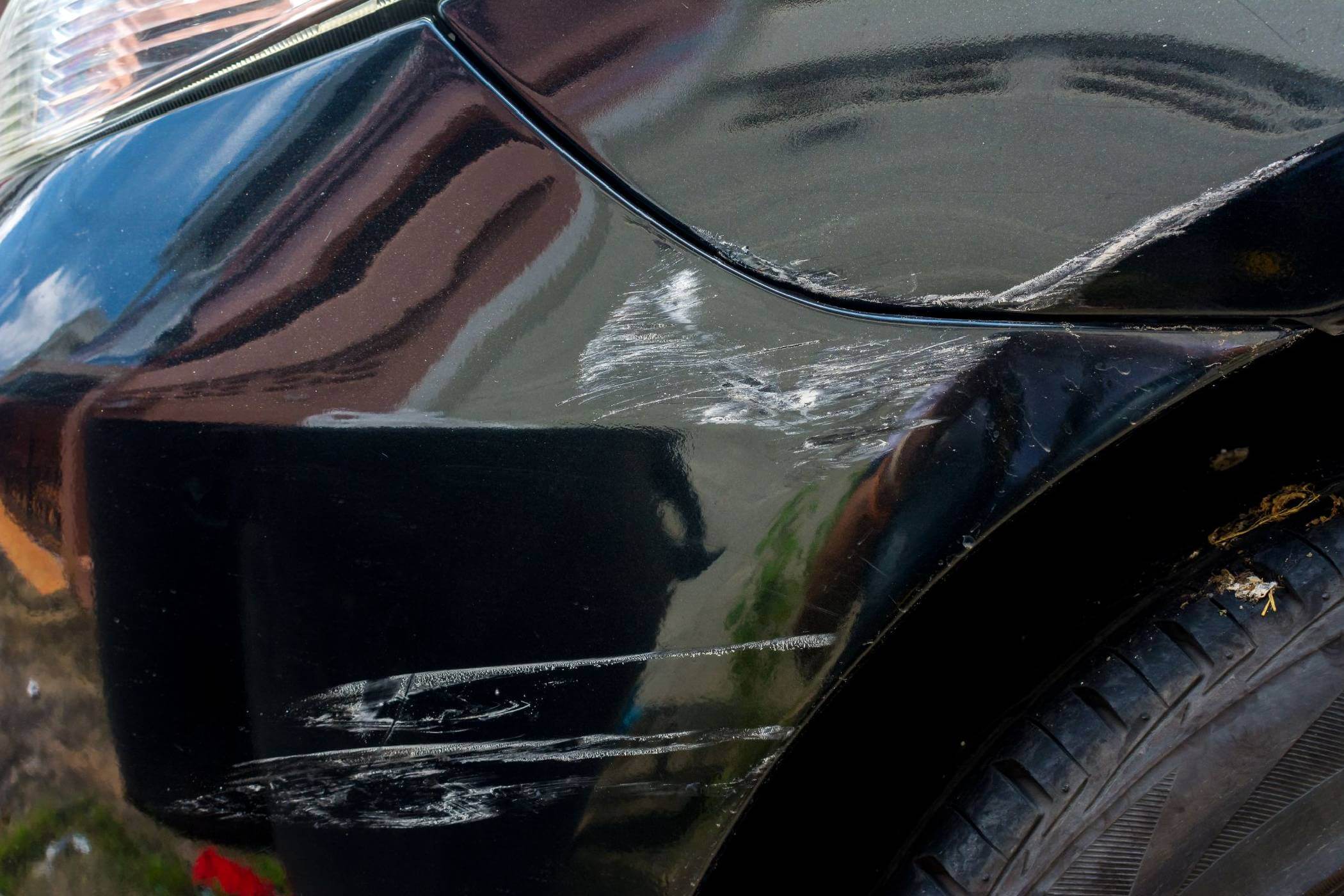
Cars tend to be our prized possessions, and for those booking in for custom bodies, the look of the car is just as important as how well it functions. So, finding a scratch or dent on the paintwork can be heartbreaking. As cars are always on the road, whether you’re driving them or they’re parked up outside the house, they can be exposed to numerous weather conditions and environmental factors that can cause paint damage on cars. Damage can include anything from scratches to fading paint and can be caused by the weather, road conditions and how well you care for the car. But what are the most common causes of car paint damage? Here is everything you need to know in order to identify what could be causing your car damage and how to prevent it in the future.
What Causes Car Paint Damage?
The condition of your vehicle will have a dramatic impact on how well the vehicle can sell, making it more important to make sure that you look after your vehicle. The more you look after your car, the less it will cost you to repair if there are any issues with the paintwork. However, most of the common issues that can cause paint damage are actually caused by factors out of our control. These include the following:
1. Temperature
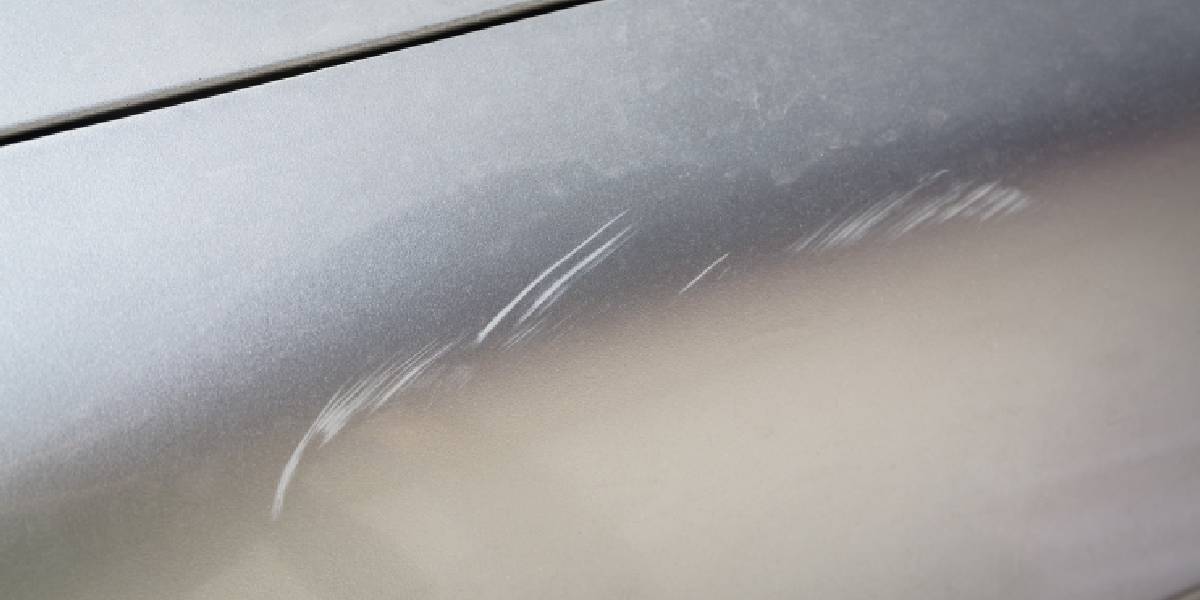
If your car is prone to being exposed to temperature fluctuations, then this can have a dramatic effect on your car’s paintwork. When the paint is warm then suddenly cold, it causes the paintwork to expand and contract according to the temperature changes. Over time this can have a real effect on the paintwork, and you will soon start to notice small cracks in the paint. If your car does have several small cracks, this will often leave your vehicle more prone to moisture damage. This type of damage is caused due to moisture, salt and any other chemicals, or specks of dirt, infiltrating the cracks, which will increase the rate of rust and deterioration.
This type of paint damage on cars is caused by moisture, salt, other chemicals, or specks of dirt infiltrating cracks, which increases the rate of rust and deterioration.
2. Road Salt
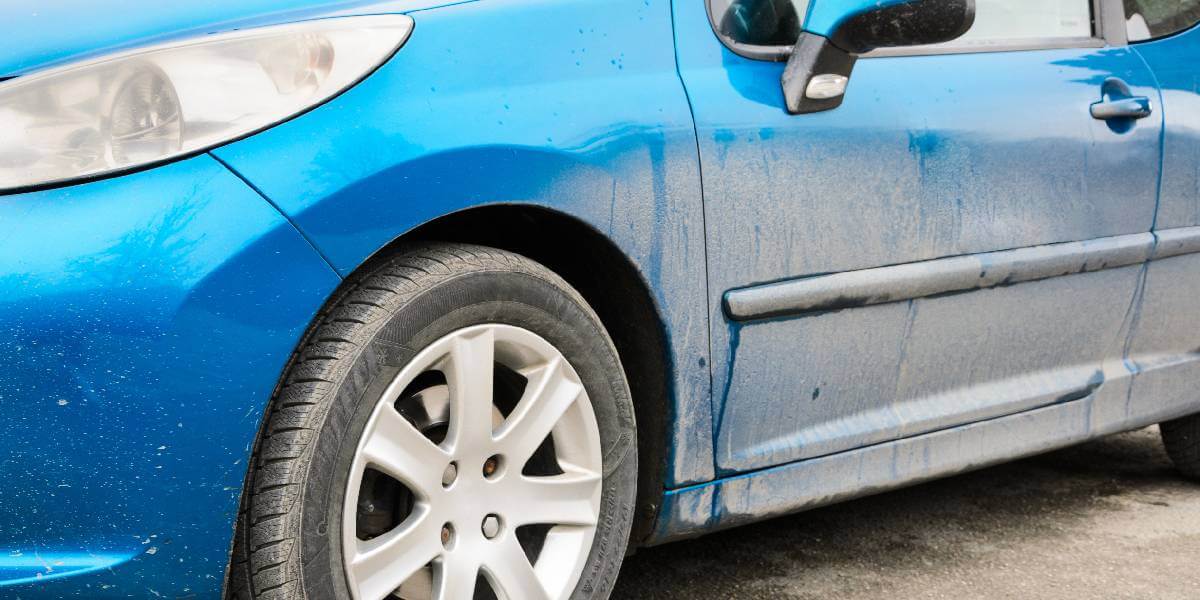
In the UK, we experience extreme weather during the winter months, which requires a lot of preparation for our roads to be safe to drive on. While road salt helps to melt dangerous ice, it can be a killer when it comes to your car paint. Not only can the salt on roads damage your car, but it can also damage your vehicle’s materials permanently. The reason for this is because salt is corrosive, which essentially means that when it sits on your vehicle for long periods of time, it will eventually begin to eat away at the paintwork, causing rust to form. This is then an expensive and tricky repair, all of which could have been resolved by regularly washing down your vehicle. Evans Halshaw has pieced together a handy article including 5 top tips on how to wash your car properly during the winter months, and we would highly recommend having a read to protect your car.
Another factor during the winter that can dramatically affect the appearance of your car’s paintwork is snow, sleet and even a significant amount of rain. Through this, the car will experience water spots, which, much like salt damage, are extremely hard to remove. To prevent this form of paint damage on cars, the best thing that you can do is clean your car regularly. We would also advise that you leave your car under shelter as much as possible, whether that’s in a multi-storey car park or your garage.
If you do experience damage caused by harsh weather conditions, then our team can help with car body repairs in Milton Keynes, so please feel free to give us a call for more information.
3. Sun Exposure
Much like the winter months can affect your vehicle, the summer can also have an impact on the paintwork. If your car is left uncovered and exposed to the sun for long periods of time, then you may find that your paint starts to fade, or you lose the shine or gloss on the paint. The reason for this is because the paint reacts to the UV light, which can leave it looking slightly misty in colour. This most commonly affects darker cars and those in warmer climates, but can easily be avoided through regular maintenance. Again, washing your car is the best solution to this issue, and the best way to wash your car during the summer months is as follows:
- Washing – If you are using chemicals, always make sure that you wash out of direct sunlight. This is because the chemicals can react with the sun and the paintwork, causing it to rust. Additionally, if you wash your car in direct sunlight, then you are more likely to have streaks on the car after washing.
- Drying – Always dry the car as much as possible after washing, as this will help to avoid minerals in the water reacting with your paintwork. It also stops the water droplets from attracting the sun to your vehicle.
- Waxing – Find a good wax for your car, as this can help you to protect your paintwork, especially those caused by UV rays.
You can find out more information on how to properly wash your car during the warmer months over on Istobal.
4. Stones
Stones are one of the most common culprits of accidental damage caused to your vehicle; this can cause damage to any part of your car, depending on where the stone has hit. For example, a stone can crack the windscreen, scratch or dent paintwork and, in some cases, puncture tyres.
Unfortunately, this form of paint damage on cars can be hard to prevent, as there is little you can do about stones on the road. However, to help you save money in the long run, it is better to have a scratch repaired as soon as it occurs rather than waiting for multiple scratches before contacting the team.
For more serious scratches, chips and dents, professional car crash repairs in Milton Keynes can help restore your vehicle’s finish.
5. Bird Droppings
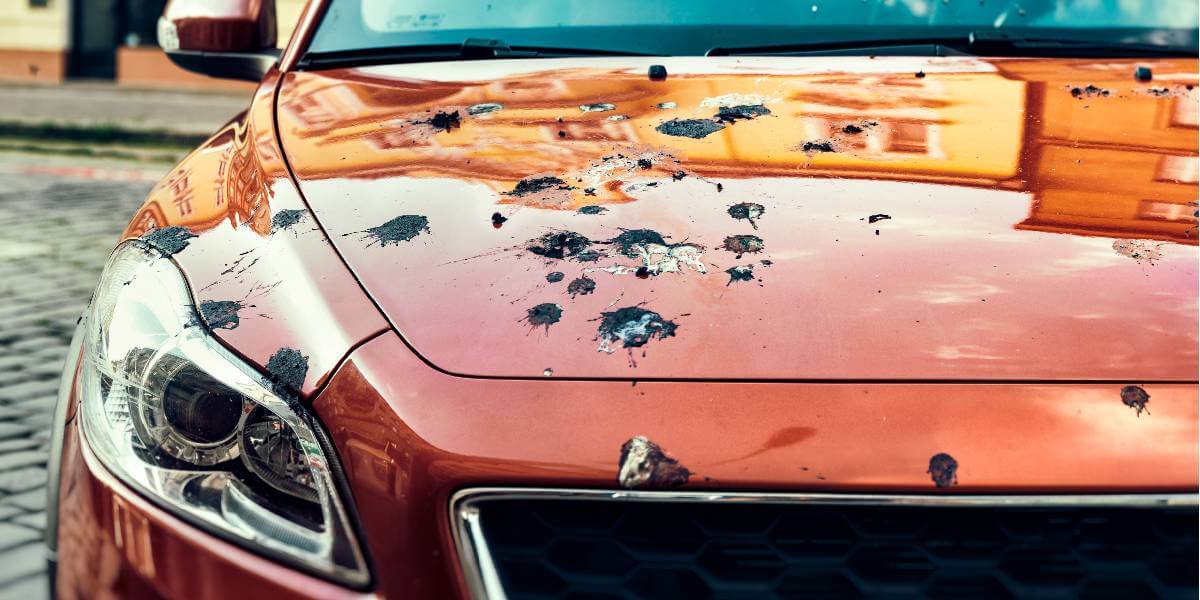
A lot of people ask, “Do bird droppings damage car paint?”
The answer is yes – and it can happen surprisingly quickly, especially during hot weather.
Because bird droppings are highly acidic, they can start to eat into the clear coat of your paintwork if they are left sitting on the surface for too long. In direct sunlight, damage can begin in as little as 10–60 minutes, as the heat softens the paint and speeds up the reaction.
If bird droppings are not removed within 24–48 hours, they can leave permanent stains, dull marks, or etching on the paintwork. In more severe cases, the acid can completely damage the clear coat, meaning the area may need machine polishing or even repainting to fully repair it.
How To Safely Remove Bird Droppings
- Avoid wiping droppings away when dry, as this can scratch the paintwork.
- Soften the area first using warm water, car shampoo or a quick detailer spray.
- Use a microfibre cloth to gently lift the droppings away.
- Apply wax or paint sealant regularly to help protect the paint from acidic damage.
Removing bird droppings promptly is one of the best ways to prevent long-term paint damage to cars. However, if the damage has already affected your vehicle’s finish, professional car body repairs in Milton Keynes can help restore the paintwork and protect the bodywork from further deterioration.
Carbuyer has a fantastic article on how to safely and properly remove bird droppings from your vehicle.
6. Rings On Fingers
If you are someone who wears a lot of rings on your fingers, then you may have noticed that there is damage behind the door handle of the car. Depending on the type of rings that you wear, these scratches may be deep, which makes them harder to repair.
The easiest way of preventing this type of paint damage on cars is to be careful when opening your doors with a ring on, or try and avoid wearing them when opening the car.
If you do find that there is damage caused to your vehicle and would like to have it repaired before selling it, our team offers professional car body repairs in Milton Keynes to restore your paintwork.
7. Construction Sites
If you are having any work done on your house or at work, we highly recommend parking your vehicle further away from the premises. If you do park it close to where there is construction work in motion, then you could run the risk of your vehicle being exposed to wet concrete spray or even falling materials. While builders do their utmost best to stop any building materials from leaving their workspace, it is not always possible. Once wet concrete dries on the paintwork, it can leave significant paint scratches or damage, such as patching, once you have tried to remove it.
8. Car Wash Cleaning
It is easy to head to a car wash to have your car thoroughly cleaned rather than spending hours cleaning it at home. However, this could do more harm than good, depending on the car wash you use.
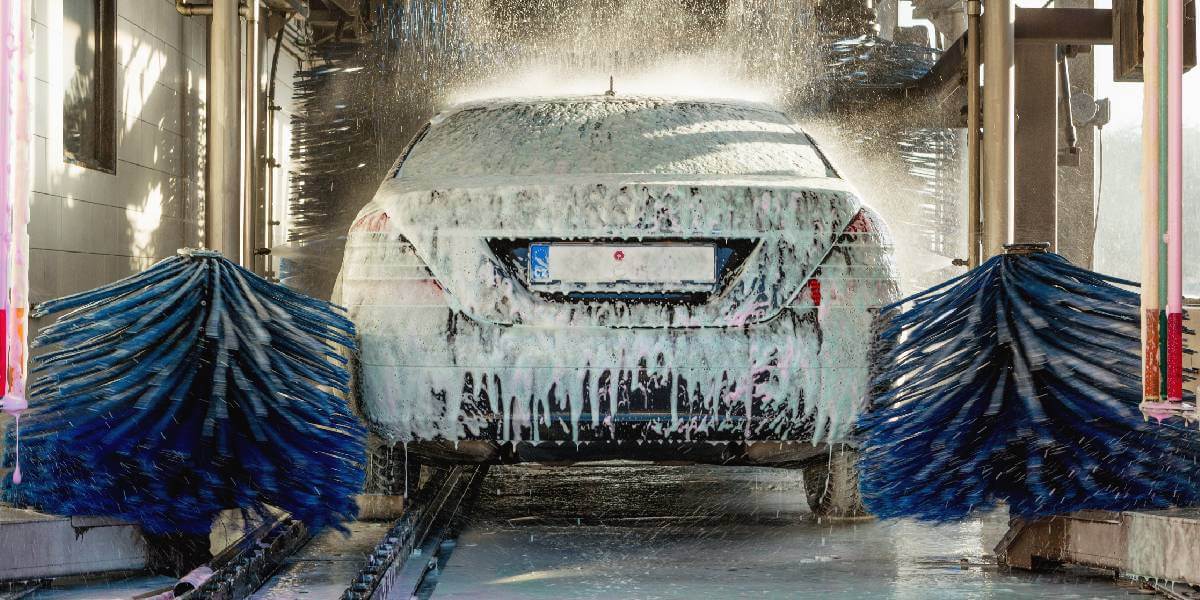
Those that use a machine in which the car travels through, and rotating brushes wash the vehicle, can end up leaving scratches and swirl marks on your car. Repeated use can lead to long-term paint damage on cars.
If you plan to have your car professionally washed, we highly recommend you visit a hand-wash station instead. Here, you are more likely to have a thorough clean inside and out with professional products and are less likely to damage your vehicle’s paintwork. Where possible, we would also advise that you try to wash your car yourself at home, and you can follow the guide found on RAC for advice on how to clean your vehicle.
Frequently Asked Questions
Below you can find an array of frequently asked questions about damage to car paint, and our team are always more than happy to answer any questions that you may have.
What Liquids Damage Car Paint?
An extremely common question is ‘what liquids damage car paint?’, as some washing liquids can take the shine away from your car rather than protect it. Some liquids that can cause damage include the following:
- Shaving Cream
- Brake Fluid
- Coffee
- Fizzy Drinks
Can Hot Water Damage Car Paint?
Hot water is known for damaging windscreens, but can hot water damage car paint? You may be surprised to know that hot water can be extremely damaging to car paint, causing it to expand, allowing it to be pushed easily and potentially causing cracks or bubbling of the paint. As well as damaging the car paint, hot water can also cause the metal to warp and lose its shape. If you have experienced warping, then we highly recommend getting in contact with our team about our dented panel repairs in Buckingham for professional help.
Will Rubbing Alcohol Damage Car Paint?
We are often asked will rubbing alcohol damage car paint? Rubbing alcohol is often used to clean glass and wheels, but it is important to note that any form of alcohol can severely damage car paint, and the only way to fix this issue is by sanding down the area and respraying the car’s body.
Will Tree Sap Damage Car Paint?
Tree sap might not seem like a major issue at first, but if left on your vehicle for too long, it can cause serious paint damage on cars. As the sap hardens, it sticks firmly to the surface and can slowly wear away the clear coat, leaving stains, dull patches and permanent marks on the paintwork.
During warmer weather, the problem can worsen. Heat causes the sap to harden onto the paint, making it much more difficult to remove safely. If left untreated for days or weeks, tree sap can cause long-term damage that may require polishing or repainting to fix properly.
How To Protect Your Car From Tree Sap
- Avoid parking underneath trees where possible
- Wash sap off quickly before it hardens
- Apply wax or ceramic coating to create a protective barrier
- Clean the area gently to avoid scratching the paintwork
When removing sap, avoid harsh scrubbing or rough sponges, as they can further damage the paint. Instead, use specialist sap removers, rubbing alcohol or clay bars designed for automotive paintwork. For more extensive damage, including scratches, chips or accident repairs, specialist car crash repairs in Milton Keynes are available.
Does Deicer Damage Car Paint?
Most high-quality de-icer sprays are safe to use on modern vehicles when applied correctly, especially when sprayed directly onto icy windows rather than onto the bodywork. However, some cheaper or harsher products that contain high levels of alcohol or strong chemicals can cause paint damage on cars over time, particularly if used excessively or left sitting on the paint.
While de-icer is unlikely to immediately damage modern paintwork, repeated exposure can gradually strip away protective wax coatings, leaving the surface looking dull or faded. Older vehicles or cars with weakened lacquer may be more vulnerable to this type of damage.
How To Prevent De-Icer Damage
- Spray de-icer directly onto glass rather than painted panels
- Wash your vehicle regularly during winter to remove salt and chemical build-up
- Apply wax or ceramic coating to add a protective barrier to the paintwork
- Avoid overusing strong chemical sprays where possible
For colder mornings, alternatives such as a windscreen cover or a soft ice scraper can also help reduce the need for chemical de-icers altogether.
Repair Damage To Paintwork
Annoyingly, there are many ways in which your paintwork can end up getting damaged, and the more it becomes exposed to adverse weather conditions and unsafe roads, the more likely it is to experience damage. While your vehicle can experience various forms of damage, there are also many ways in which you are able to prevent and fix the issue. Whether you have damage to the body or bumper of your car, our team can provide you with our experienced and professional helping hand. Please feel free to speak with our team about our car body repairs in in Milton Keynes